Embracing Robotics: A New Opportunity for Fast Food Franchises
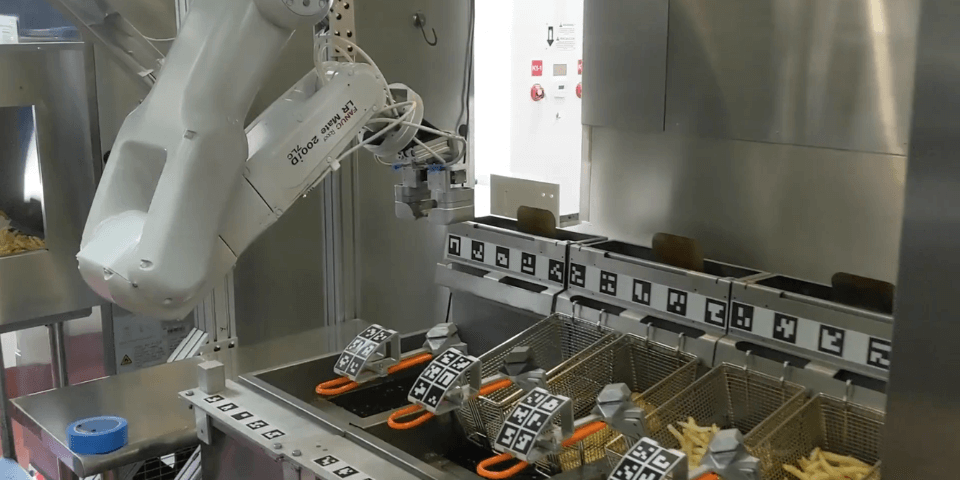
In the ever-evolving landscape of the fast-food industry, innovation is key to staying competitive. Major chains like McDonald's, Chipotle, and Chick-fil-A are leading the way, ushering in a new era of robotic-run fast-food outlets.
In 2023, McDonald's debuted its first robotic-run outlet in Fort Worth, Texas, showcasing the potential for automation to enhance efficiency and customer experience. This presents a new frontier of opportunities for franchises, potentially offering greater efficiency, profitability, and customer satisfaction.
The Rise of Restaurant Automation
The days of traditional fast-food establishments solely relying on human labor could be coming to an end. Today, cutting-edge technologies are revolutionizing the way food is prepared, ordered, and delivered. From automated kiosks and app-based ordering systems to robotic food preparation and delivery, the use of robotic automation in food service has caught fire. These innovations not only promise greater efficiency and speed but also offer a glimpse into a future where customer experience is elevated to new heights.
Benefits for Franchises
Embracing robotics offers fast-food franchises numerous advantages. Automation reduces labor costs, particularly amidst a tightening labor market and rising minimum wages. For example, McDonald's implemented machines to handle almost all tasks at their robotic-run Fort Worth outlet, from taking orders via kiosks or apps to preparing and delivering meals via conveyor belt. By leveraging robotic systems for tasks such as food preparation and delivery, franchises streamline operations and improve profitability.
Enhancing Customer Convenience
Automation in fast-food establishments isn't just about reducing labor costs; it's about enhancing the overall dining experience for customers. By leveraging cutting-edge technology, franchises can offer a range of benefits that make ordering and enjoying fast food more convenient.
Efficient Ordering Process: Automated kiosks and app-based ordering systems streamline the process, allowing customers to place orders quickly and accurately. With intuitive interfaces and customization options, patrons can tailor their meals without lengthy interactions with staff.
Speedy Service: Automation in food preparation and delivery ensures prompt order fulfillment, even during busy periods. Robots prepare meals with precision and deliver them to customers in record time, reducing wait times and improving service speed.
24/7 Accessibility: Robotic-run outlets can operate 24/7, providing customers with round-the-clock access to their favorite fast-food options. Whether it's a late-night snack or an early morning breakfast, customers can satisfy their cravings whenever they arise, thanks to automation.
Consistent Quality: Automation maintains consistent food quality across locations and times. By following standardized procedures and recipes, robotic systems ensure that every meal meets high standards, guaranteeing a satisfying experience for customers.
By prioritizing customer convenience and choice, fast-food franchises can leverage automation to elevate the dining experience and build stronger relationships with patrons. Embracing technology-driven solutions positions franchises to thrive in a competitive market landscape, delivering on the promise of quality, convenience, and innovation.
Future Outlook
Looking ahead, the future of restaurant automation appears promising for fast-food franchises. As technology continues to advance, so too will the capabilities of robotic systems. Predictions suggest that robotic technology will become increasingly sophisticated, offering even greater opportunities for franchises to optimize their operations and drive growth.
Conclusion
In conclusion, the integration of robotics and automation represents a transformative opportunity for fast-food franchises. By embracing these technologies, franchises can unlock new levels of efficiency, profitability, and customer satisfaction. As the industry continues to evolve, it is essential for franchises to remain proactive in adapting to change.
Other Franchises Looking For Owners Like You
Want to compare franchise opportunities side by side? Start Here
