Embracing the Future: The Rise of Robotics in Hospitality
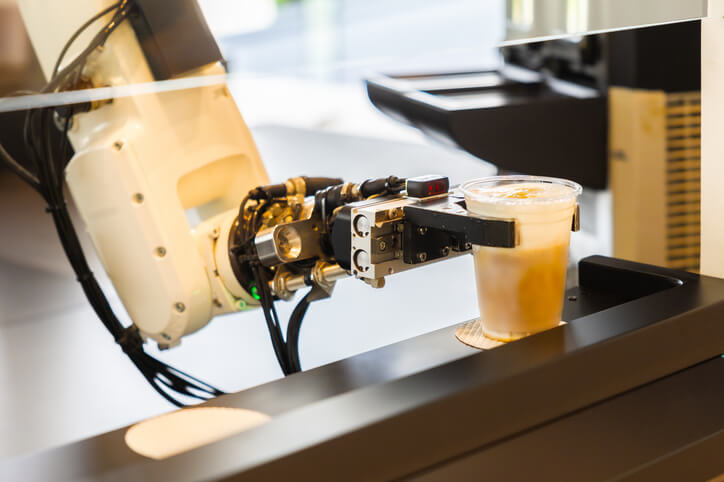
In the heart of the Las Vegas Strip lies a unique establishment that offers more than just your typical nightlife experience. Nestled within the iconic Venetian Resort is Tipsy Robot, a bar like no other, where the bartenders are not human, but rather, robotic marvels of modern technology.
During a recent visit to Las Vegas, I had the opportunity to step into the futuristic world of Tipsy Robot and witness firsthand the seamless integration of automation and hospitality. As I watched robotic arms expertly mix and pour cocktails with precision and flair, I couldn't help but marvel at how far we've come in embracing artificial intelligence (AI) and robotics in the realm of business.
But Tipsy Robot is just one example of a larger trend sweeping through the hospitality industry. From self-check-in kiosks at hotels to automated ordering systems at restaurants, businesses are increasingly turning to automation to enhance efficiency, improve customer experiences, and stay ahead in an ever-evolving market.
The Rise of Robotics in Hospitality
In recent years, the hospitality industry has seen a significant shift towards embracing automation and robotics. This trend is driven by a variety of factors, including the desire to improve efficiency, reduce labor costs, and enhance the overall customer experience.
One notable example of this trend is the proliferation of self-service kiosks in hotels and resorts. These kiosks allow guests to check in and out without the need for human intervention, streamlining the process and reducing wait times. Similarly, many restaurants have adopted automated ordering systems, enabling customers to place their orders quickly and accurately, often via mobile apps or touchscreen devices.
But perhaps the most striking manifestation of this trend can be found at establishments like Tipsy Robot, where robots take center stage behind the bar. These robotic bartenders are equipped with advanced AI and motion-sensing technology, allowing them to precisely measure and mix cocktails to perfection. Not only do they offer a novel and entertaining experience for patrons, but they also represent the future of hospitality—a future where automation and human ingenuity work hand in hand to deliver unparalleled service.
Customer Experience and Efficiency
One of the key benefits of automation in hospitality is its ability to enhance the customer experience. By streamlining processes and reducing wait times, businesses can create a more efficient and enjoyable environment for their patrons. At Tipsy Robot, this is evident in the seamless ordering process and quick turnaround time for drinks.
But it's not just about speed—automation also allows for a higher degree of customization and personalization. At Tipsy Robot, customers can create their own custom cocktails by selecting their preferred ingredients and flavors via a touchscreen interface. This not only adds a fun and interactive element to the experience but also ensures that each drink is tailored to the individual tastes of the customer.
In addition to improving the customer experience, automation also offers significant efficiency benefits for businesses. By automating repetitive tasks such as mixing drinks or taking orders, businesses can free up their human staff to focus on more value-added activities, such as engaging with customers or creating new menu items. This not only increases productivity but also reduces labor costs, making it a win-win for both businesses and customers alike.
Implications for Franchises
For franchises in the hospitality industry, the rise of automation presents both challenges and opportunities. On one hand, franchises must adapt to the changing landscape and embrace new technologies in order to remain competitive. This may involve investing in automated systems for tasks such as ordering, payment processing, or inventory management.
On the other hand, automation also offers franchises the opportunity to streamline operations, reduce overhead costs, and improve overall efficiency. By leveraging technology to automate routine tasks, franchises can optimize their workflows and maximize their profitability. Additionally, automation can help franchises to differentiate themselves in the market and attract tech-savvy customers who value innovation and convenience.
However, it's important for franchises to approach automation with caution and consideration. While technology can enhance the customer experience, it should never replace the human touch entirely. Franchises must strike a balance between automation and human interaction, ensuring that they continue to provide the personalized service and hospitality that customers expect.
Challenges and Considerations
While the benefits of automation in hospitality are clear, there are also challenges and considerations that businesses must take into account. One of the primary concerns is the potential impact on jobs and employment. As automation becomes more prevalent, there is a risk that some jobs may be displaced or replaced by machines. This can have significant implications for workers in the hospitality industry, many of whom rely on these jobs for their livelihoods.
Another consideration is the potential for technical issues or malfunctions. While robotic bartenders like those at Tipsy Robot are impressive feats of engineering, they are not immune to glitches or breakdowns. Businesses must have contingency plans in place to address any issues that may arise and ensure that they can continue to provide a high level of service to their customers.
Despite these challenges, the potential benefits of automation in hospitality are too significant to ignore. By embracing new technologies and innovating their business models, franchises can position themselves for success in an increasingly automated world.
Looking to the Future
As we look to the future of hospitality, it's clear that automation will continue to play a central role in shaping the industry. From robotic bartenders to AI-powered concierge services, the possibilities are endless. As technology continues to advance and evolve, we can expect to see even more innovative solutions emerge, transforming the way we experience hospitality.
But perhaps the most exciting aspect of this technological revolution is the opportunity it presents for businesses to reimagine the customer experience. By leveraging automation and AI, businesses can create more personalized, efficient, and memorable experiences for their patrons, setting new standards for service and hospitality.
In conclusion, the rise of robotics in hospitality represents a paradigm shift in the way we think about and experience hospitality. From enhancing efficiency and streamlining operations to revolutionizing the customer experience, automation offers unprecedented opportunities for businesses to thrive in an increasingly competitive market. By embracing new technologies and embracing innovation, franchises can position themselves at the forefront of this exciting trend, shaping the future of hospitality for years to come.
Other Franchises Looking For Owners Like You
Want to compare franchise opportunities side by side? Start Here
