Southwest Spotlight: Consumer Spending Insights
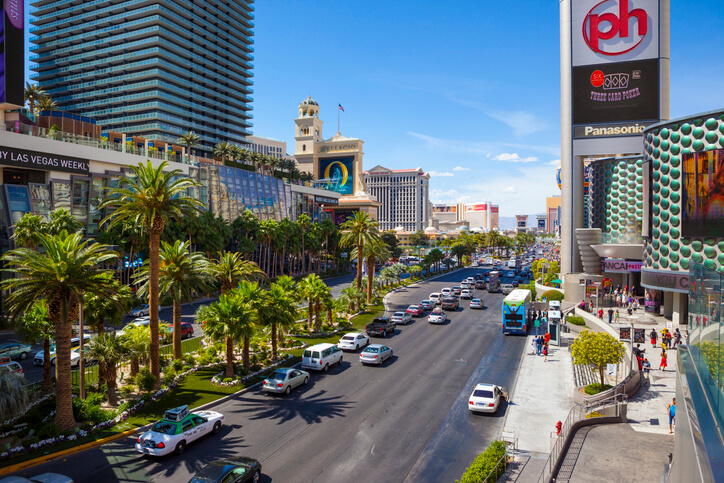
The Southwest region serves as a cornerstone of the US economy, boasting major cities like Phoenix, Tucson, Las Vegas, El Paso and Albuquerque. Each city stands as a microcosm of the region, representing its unique economic strengths and cultural vibrancy. From the gleaming metropolis of Phoenix to the busy streets of Las Vegas, these urban centers not only drive regional growth but also serve as incubators for emerging trends and industries.
For franchisees eyeing opportunities in the Southwest, understanding consumer spending patterns in these major cities is paramount. These urban hubs are often at the forefront of innovation and represent the pulse of the region's economy. By analyzing consumer behaviors and expenditure trends, franchisees gain invaluable insights into emerging market dynamics and potential growth areas. This deeper understanding enables strategic decision-making, empowering franchisees to tailor their offerings to meet evolving consumer preferences and capitalize on burgeoning trends.
Economic Landscape of Phoenix
Phoenix, with its population growth and rising household incomes, stands as a beacon of economic opportunity in the Southwest. Projections indicate that by 2028, the city's population will reach 1.72 million, reflecting a steady annual growth rate of 1.1%. This growth trajectory underscores Phoenix's allure as a thriving urban center. Additionally, the average household income in Phoenix is expected to rise to $119,075 by 2028, indicative of increasing purchasing power and consumer confidence within the city.
In 2023, Phoenix's total annual consumer expenditure amounted to an impressive $47.34 billion, a testament to the city's robust economic activity. Notably, sectors like healthcare have made significant contributions to this expenditure, with healthcare expenditures alone reaching $3.9 billion. This highlights the importance of healthcare services within Phoenix's economy and signals opportunities for businesses in the healthcare sector to thrive and innovate.
When examining Phoenix's retail landscape, specific sectors like Women's, Men's, and Children's Clothing Stores emerge as areas ripe with untapped potential. For instance, Women's Clothing Stores boast an estimated market size of $157.52 million, yet actual sales recorded at $93.37 million suggest a notable gap of $64.15 million between potential and realized revenue. Similarly, Men's Clothing Stores and Children's & Infants' Clothing Stores exhibit similar patterns, with potential sales surpassing actual sales by $11.59 million and $36.09 million, respectively.
Apricot Lane and Red Wing Shoes are two examples of brands featured on our website. Apricot Lane offers trendy and stylish clothing, appealing to fashion-conscious consumers, while Red Wing Shoes specializes in durable boots, meeting the needs of blue-collar workers.
For franchisees, understanding the unique selling points of each brand is crucial. Recognizing that Apricot Lane caters to a style-savvy audience and Red Wing Shoes serves hardworking professionals highlights the importance of knowing your market. By thoroughly understanding the demographics and preferences of their target audience, franchisees can tailor their offerings effectively, ensuring they meet the specific demands of their customers. This strategic approach is key to achieving success in the competitive franchising landscape.
Considering that 37.6% of Phoenix residents are blue-collar workers and 62.4% are white-collar workers, employment data on both demographics emphasizes the market size requiring products like those offered by these brands, highlighting growth potential.
As Phoenix continues to experience population growth and economic prosperity, it remains a prime destination for franchisees seeking to capitalize on emerging market dynamics and consumer trends in the Southwest.
Consumer Spending in Tucson
Tucson's consumer spending data sheds light on a city with economic opportunities, crucial for potential franchisees to consider. Transportation emerges as a pivotal sector, with Tucson residents dedicating $2.48 billion to transportation services and infrastructure in 2023. This underscores the significance of reliable transportation systems, presenting potential franchise opportunities in areas such as ride-sharing services or innovative public transportation solutions.
Additionally, education represents a notable investment area, with Tucson residents allocating $402.02 million towards educational pursuits. For franchisees in the education sector, this expenditure highlights the demand for tutoring services, educational enrichment programs, or vocational training centers within the Tucson community.
Also in Tucson, where an annual expenditure of $2.02 billion on food and beverages underscores a vibrant culinary landscape, there's ample potential for franchise ventures, particularly those catering to health-conscious consumers. Concepts like Healthy You Vending, focusing on innovative and healthy vending options, stand out in this environment. These franchises not only tap into Tucson's evolving dining preferences but also offer an avenue for entrepreneurship. Moreover, by promoting health and innovation in the food industry, they align with the city's commitment to wellness. What makes Healthy You Vending particularly appealing is its passive business model, providing an accessible entry point into entrepreneurship.
Understanding these consumer spending patterns equips franchisees with valuable insights into the market landscape, guiding strategic decisions and fostering growth opportunities within the Tucson economy.
Emerging Industries in Las Vegas
Las Vegas, known for its food, entertainment and hospitality industries, continues to attract both tourists and residents alike. The average household income in Las Vegas is estimated to be $105,928 in 2023, with a projected increase to $108,145 by 2028.
In 2023, Las Vegas allocated a substantial portion of its consumer expenditure towards entertainment, amounting to approximately $1.02 billion, emphasizing the city's renowned entertainment offerings and vibrant nightlife scene. Similarly, the food and beverages sector saw significant investment, with an expenditure of $2.62 billion, reflecting the variety of culinary experiences available in the city. Additionally, the transportation consumer expenditure reached $3.23 billion, highlighting the importance of efficient transportation infrastructure in supporting the city's tourism and local mobility needs.
The gap report for Las Vegas reveals substantial untapped potential in various segments of the food and beverage industry:
Food and Beverage Stores: This category represents a massive market with potential sales reaching $1.22 billion. However, actual sales fell short at $929.45 million, revealing a considerable gap and highlighting the potential for new ventures or expansion within existing establishments.
Grocery Stores: Potential sales in grocery stores reached $1.09 billion, while actual sales stood at just $845.22 million, suggesting room for expansion and innovation in this essential sector.
Liquor Stores: While potential sales in liquor stores amounted to $51.78 million, actual sales reached only $21.21 million, highlighting a significant gap and signaling a promising opportunity for entrepreneurs to capitalize on consumer demand for alcoholic beverages in Las Vegas.
Overall, the gap report underscores the significant potential for growth and innovation within the food and beverage sector in Las Vegas. Entrepreneurs and businesses willing to address these gaps and meet the evolving needs of consumers stand to benefit from the city's food and beverage landscape.
These expenditures underscore Las Vegas's role as a hub for entertainment, dining, and leisure activities, catering not only to residents but also to millions of visitors annually. The city's evolving consumer spending patterns align with its reputation as a premier tourist destination while also indicating opportunities for growth and investment in emerging industries. As Las Vegas continues to attract both tourists and new residents, businesses in sectors such as technology, healthcare, and hospitality are poised to capitalize on the city's economic environment.
Innovation in El Paso
El Paso, Texas, offers a promising landscape for franchise ventures, particularly within the food and beverage sector. With El Pasoans spending a substantial $2.24 billion annually on food and beverages alone, franchisees have a vast market to explore and innovate within. This translates to an average monthly household expenditure of $781 on food and beverages alone, reflecting the city's strong culinary culture and consumer preferences.
This robust consumer spending pattern is further underscored by El Paso's average household income of $87,195, which is projected to rise to $93,678 by 2028. Franchisees aiming to enter the El Paso market can leverage these favorable economic indicators by introducing innovative food and beverage concepts that cater to local preferences. As the city continues to grow, there's a rising demand for healthier dining options, ethnic cuisines, and unique culinary experiences, aligning with the tastes of El Paso's diverse population.
By tapping into these emerging trends and leveraging the wealth of consumer spending data available, franchisees can position themselves for success in the evolving market of El Paso.
Technology Hub of Albuquerque
Albuquerque's consumer expenditure data highlights significant spending in various industries, presenting opportunities for franchisees to capitalize on emerging technology trends.
In ABQ’s food and beverage sector, which accounts for a substantial portion of consumer spending totaling $2.48 billion annually, technology is reshaping how businesses operate and engage with customers. Franchise opportunities can leverage digital ordering platforms, mobile payment systems, and delivery services to enhance convenience and efficiency. Moreover, emerging trends such as ghost kitchens and automated food preparation technologies offer innovative ways for franchisees to meet evolving consumer demands for speed, convenience, and contactless experiences.
The transportation industry, with an annual consumer expenditure of $3.06 billion in Albuquerque, is undergoing significant transformation driven by technology. Franchise opportunities in electric vehicle charging infrastructure, vehicle rental services, and smart transportation solutions can tap into the growing demand for sustainable and efficient mobility options. With trends such as electric vehicles and ride-sharing platforms gaining momentum, franchisees can position themselves as pioneers in providing innovative transportation solutions to Albuquerque residents.
By embracing technology and adapting to changing consumer preferences, franchisees can thrive in these popular industries in Albuquerque. Whether it's implementing mobile ordering systems in food franchises or investing in electric vehicle charging stations, franchisees can position themselves at the forefront of innovation and drive growth in their respective sectors.
Conclusion
In conclusion, our exploration of industry trends and consumer spending patterns across cities in the Southwest provides valuable insights for businesses seeking growth and innovation in this region. By understanding the unique economic landscapes of Phoenix, Tucson, Las Vegas, El Paso, and Albuquerque, businesses can leverage data-driven strategies to capitalize on emerging trends and opportunities, driving economic prosperity for franchisees in the Southwest.
Other Franchises Looking For Owners Like You
Want to compare franchise opportunities side by side? Start Here
