Back to Blog
Senior Care Franchise Profitability and Outlook

The pitch you'll hear from senior care franchise brands goes something like this: aging population, booming demand, recession-resistant income, and a feel-good service being provided to boot. It’s hard to argue with any of that on paper. Before you start writing checks, however, it helps to look at the actual unit economics, the real owner earnings, and the operational challenges that glossy franchise disclosure documents tend to bury.
Here's our guide on senior care franchise profitability and the full 2026 outlook.
Senior Care Franchise Profitability Outlook 2026
With about 11,400 Americans turning 65 every day, the 65-and-older population is projected to reach 73 million by 2030, making it the single fastest-growing age group in the country. This number is a function of birth rates set decades ago.
More importantly for franchise investors, over 90% of seniors say they prefer to stay in their homes rather than move to an assisted living facility or a nursing facility. That preference, combined with the significant cost difference between in-home care and institutional care, makes home-based senior care the dominant growth segment in this industry. Supply is not keeping up with demand, and that gap widens every year.
Certain regions feel this more acutely than others. Rural and suburban areas in the Midwest and South have aging populations but far fewer institutional care options, making them some of the most underserved markets for franchised senior care operators. Territory selection matters as much as brand selection; underserved suburban and secondary markets often represent stronger investment stories than saturated major metros.
Unit Economics
Senior care franchises generally operate on a home-based or light-commercial footprint, which keeps overhead lean compared to brick-and-mortar categories. Here are the numbers for major franchised brands.
Metric | Figure |
|---|---|
Average unit volume (AUV), 2024 | ~$1.3M |
AUV growth (2020-2024) | ~4.6% CAGR |
Reported net margins | 20 – 35% |
Realistic net margins | 12 – 20% |
Average franchisee income | ~$135K/year |
Franchisees earning $150K | ~25% of operators |
Information is sourced from a 2026 FRANdata report or synthesized from the Franchise Disclosure Documents (FDDs) of senior care franchises.
The 20-35% margin range stands out, but it belongs to operators who have solved their staffing models. For franchisees who are still grinding through caregiver recruitment in year one or two, margins compress. The $135K average owner income is a reasonable benchmark for a single-unit operator running a tight operation. The bigger earnings (i.e., the kind that get highlighted in franchise presentations) almost always come from multi-territory owners who have built a regional infrastructure.
The Cost to Entry
For a category producing an average unit volume of $1.3M, the relatively low entry cost is genuinely attractive. Typical startup investment ranges from $80,000 to $150,000, depending on the brand, territory size, and working capital requirements: a favorable ratio compared to most brick-and-mortar franchise categories at similar revenue levels, meaning that well-prepared operators can hit the 12-to-24-month payback timelines.
Payback speed depends heavily on three things:
- How fast you can hire and retain caregivers
- How quickly you build referral relationships with hospitals and discharge planners
- How well you execute the scheduling and care coordination side of the business from day one.
The Challenges of Senior Care Franchising
While the case for demand is extremely strong, like any business model, this category comes with noteworthy risks. Some of them show up consistently across independent analyses that deserve a critical eye before you decide to commit to a brand or territory.
Risk Factor | Impact Level | What It Affects |
|---|---|---|
Caregiver turnover (~77% annually) | High | Margins, client retention, referrals |
Wage pressure (~$15/hr median) | High | Labor costs, recruitment competitiveness |
Referral network ramp-up | Medium | Revenue timeline, payback period |
"Semi-absentee" ownership expectations | Medium | Owner satisfaction, operational quality |
Market saturation in major metros | Varies | Territory value, growth ceiling |
Labor should be the primary concern for prospective franchisees. Caregiver turnover is approximately 77% annually, and median wages of around $15 per hour fall below a living wage in most markets. Recruitment is constant, retention is difficult, and the ripple effects hit client satisfaction and referral relationships directly. The operators who solve this early share a few common practices:
- Paying above the area median wage from the start
- Building a caregiver referral bonus program
- Offering flexible scheduling as a recruiting tool
- Treating retention as a revenue protection strategy, not an HR function
Referral network development is the other early-stage bottleneck. Revenue ramp depends on relationships with hospital discharge planners and social workers, relationships that take time to build. Plan working capital accordingly. Successful operators do not wait until they need referrals to start pursuing them:
- Attending healthcare networking events regularly
- Visiting hospital discharge planning departments directly
- Partnering with senior centers and geriatric care managers
- Building a referral pipeline well before revenue pressure sets in
Most successful operators are hands-on through the build phase, and the ones who do eventually step back earn that flexibility by putting the right infrastructure in place first:
- Hiring a strong care coordinator or operations manager early
- Building scheduling and communication systems that run without owner involvement
- Establishing clear performance benchmarks that signal when it is safe to reduce day-to-day presence
Buyers who skip that foundation tend to underperform.
Steady Growth, Institutional Backing
Franchise unit counts across senior care brands are growing at roughly 5% annually, approaching 8,000 total locations nationwide. That is not the kind of growth that makes headlines, but it is the kind that draws institutional capital, and private equity has noticed. M&A activity in home care accelerated significantly in 2024 and 2025, with PE firms building multi-brand platforms across the category.
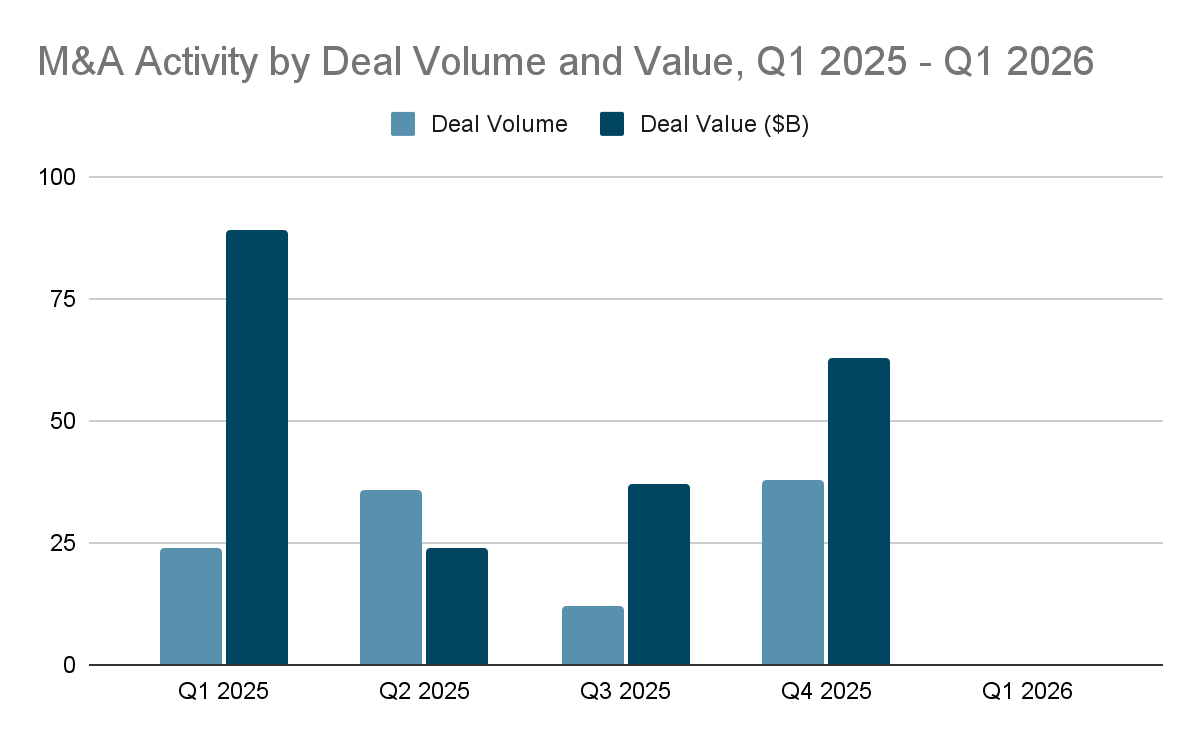
Waud Capital's 2024 acquisition of Senior Helpers, a 380-plus location home care franchise, and its subsequent consolidation of home care assets under a new holding company in 2025 is a representative example of how institutional money is moving in this space.
When private equity starts consolidating an industry, it generally signals that the recurring revenue model and the demand fundamentals have been stress-tested and validated. Senior care passed that test. This is no longer a fragmented market of small owner-operators. It is a financially institutionalized industry with a long runway.
Is Senior Care the Right Franchise for You?
Senior care franchise profitability holds up well against most categories available to investors in 2026, with recurring revenue, locked-in demographic demand, low entry costs relative to AUV, and institutional validation. That combination is harder to find than the franchise market generally lets on.
The variable is operational execution on the labor side. Get caregiver recruitment and retention right, and the income benchmarks are achievable. Underestimate it, and they are not.
If senior care fits your profile, Franchise.com can help you work through the details that matter: FDD analysis, territory demand, investment matching, and ownership fit. If it does not, there are hundreds of other categories worth a serious look.
Start your franchise journey today.
Individual results vary by market, operator, and execution. Consult a franchise attorney and financial advisor before making any investment decision.
Skip the guesswork. With access to hundreds of vetted brands and over 25+ years of helping entrepreneurs find the right fit, Franchise Ventures is the most efficient way to turn interest into ownership.
Categorized Under: Franchise Information, Franchise Ownership
Other Franchises Looking For Owners Like You
Want to compare franchise opportunities side by side? Start Here
